Community Networks and Access to Free Entries for National Contests
Paul Braun · Oct 1, 2026
Community Networks and Access to Free Entries for National Contests
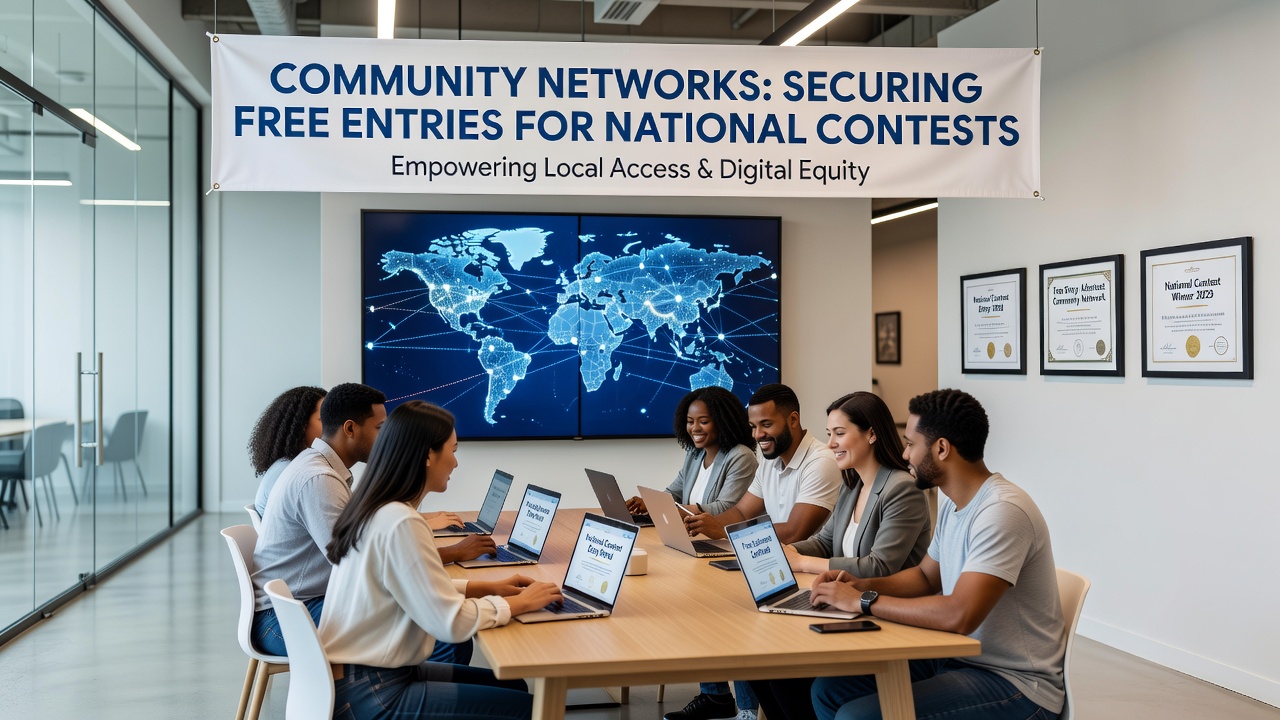
Community networks consist of digital forums, social media groups, and local associations where individuals exchange information about national contests, and these structures have expanded access to free entry methods across multiple regions since the early 2000s. Data from government agencies shows that broadband penetration rates above 85 percent in urban areas of the United States and Canada have enabled wider participation in such networks, while similar trends appear in European Union member states according to reports from the European Commission.
Formation and Organization of These Networks
Participants typically join platforms dedicated to contest discussions, and they form subgroups focused on specific national events such as annual sweepstakes or promotional drawings. Researchers at institutions including the University of Toronto have documented how these groups maintain shared databases of entry codes and eligibility rules, which reduces duplication of effort among members. The networks operate through moderated threads and real-time chat channels, whereas older models relied on email lists and bulletin boards that limited reach before widespread mobile adoption.
Geographic variations influence network scale, with Australian users often coordinating through state-level associations tied to the Australian Communications and Media Authority guidelines on digital participation. In contrast, groups in the United Kingdom draw from Ofcom data on household internet access to target contests that accept entries from multiple nations.
Methods Used to Obtain Free Entries
Members share links to official entry pages and alternate submission routes that avoid paid options, and this collaboration allows individuals without direct access to discover no-cost pathways. Studies indicate that coordinated sharing within networks increases successful submissions by distributing workload across time zones, especially during peak contest periods when servers experience high traffic. One documented case involved a group that compiled regional mailing addresses for paper-based entries, which proved useful for participants in rural areas with slower connections.
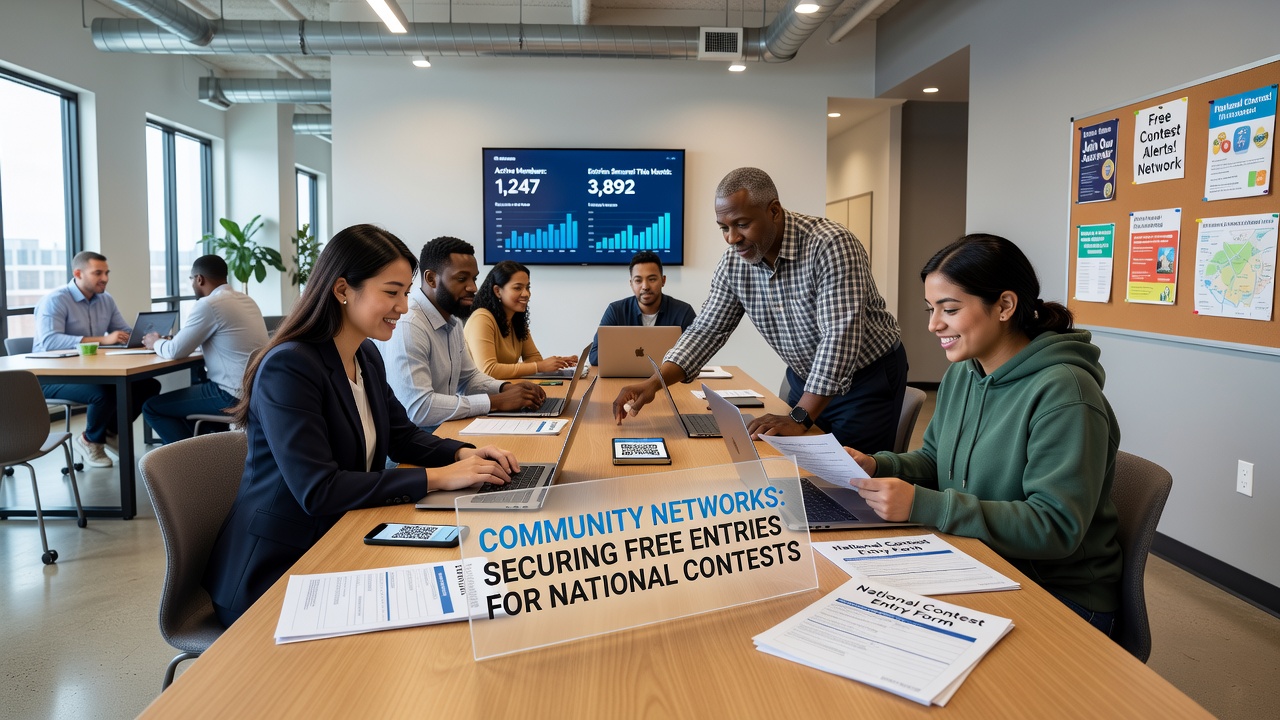
Verification steps appear routinely in these exchanges, as contributors cross-check rules posted on sponsor websites to confirm validity. Data from the Federal Communications Commission highlights how improved connectivity in 2025 supported higher volumes of simultaneous entries from community-coordinated accounts, and similar patterns emerged in October 2026 when several major national contests opened registration windows simultaneously.
Challenges and Regulatory Considerations
Networks must navigate varying rules on automated submissions and multiple entries, since many national contests limit participation to one per household. Observers note that groups often post reminders about compliance with sponsor terms to avoid disqualifications, while regulatory bodies in Canada emphasize consumer protection in digital promotions through periodic updates from the Competition Bureau. Members who coordinate across borders encounter additional layers of verification, particularly when contests restrict entries by citizenship or residency.
Security practices within networks include warnings about phishing attempts disguised as entry opportunities, and participants frequently recommend direct navigation to official domains rather than third-party aggregators. Academic analyses from European universities have examined how these precautions correlate with sustained engagement levels over multi-month contest cycles.
Conclusion
Community networks continue to serve as conduits for information on free national contest entries by aggregating resources and distributing tasks among participants. Figures from multiple regulatory sources reveal steady growth in digital group activity tied to contest seasons, and the integration of mobile tools has further streamlined coordination. Those who track these developments report ongoing adaptation to platform changes and rule updates, ensuring the networks remain functional tools for entry acquisition without reliance on paid services.