Tracing Decades of Changes in Contest Entry Forms and Compliance Patterns
Jonas Schmid · Oct 29, 2026
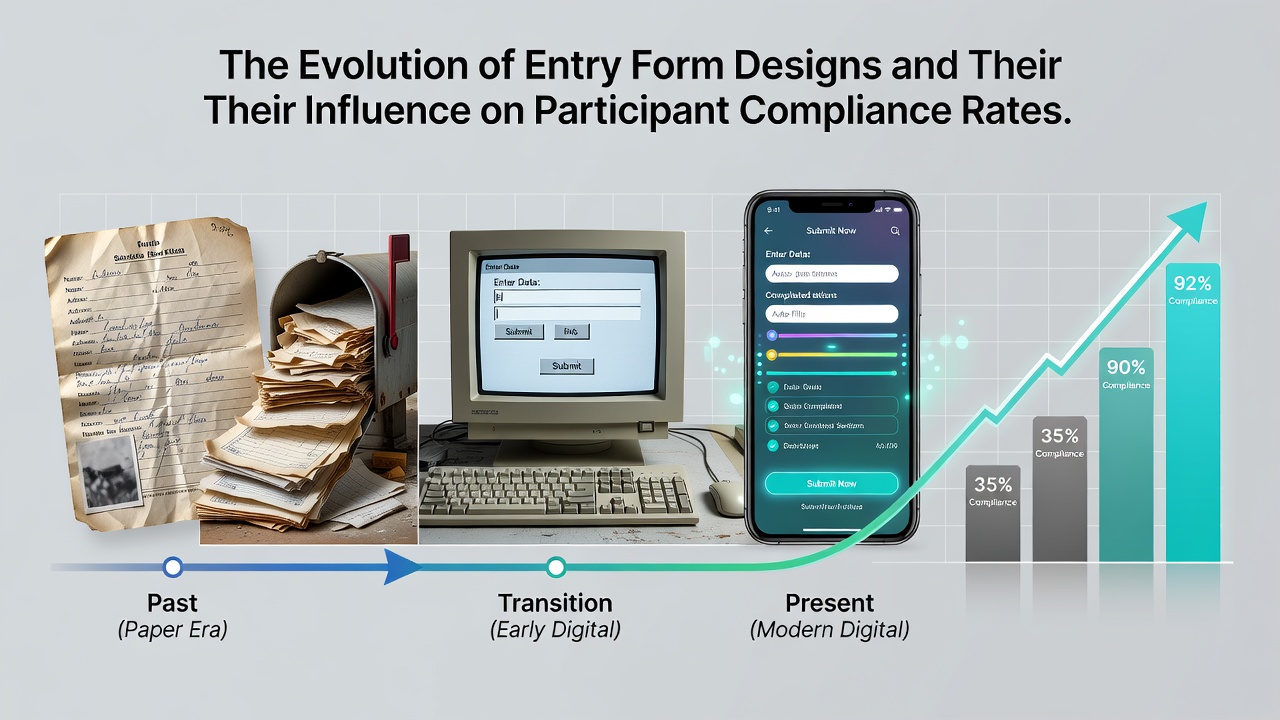
Tracing Decades of Changes in Contest Entry Forms and Compliance Patterns
Entry forms for contests and promotions have undergone substantial redesigns since the mid-20th century, moving from handwritten mail submissions to integrated digital platforms, and data collected by industry observers shows measurable shifts in how many participants complete the required steps. Researchers tracking these patterns note that simpler layouts with fewer fields often correlate with higher completion percentages, while added verification layers can reduce drop-off at specific stages.
Early Mail-Based Structures and Their Completion Metrics
Paper forms distributed through magazines and product packaging required entrants to fill in personal details by hand and return them via postal service, and records from that era indicate compliance rates hovered between 15 and 25 percent for national promotions because of mailing costs and time delays. Observers documented that forms printed on single pages with pre-addressed envelopes tended to see better return volumes than multi-page versions demanding additional essays or proofs of purchase.
Those designs emphasized basic contact information and a signature line, yet many participants abandoned the process after realizing postage was necessary or that rules demanded extra purchases. Studies compiled by marketing associations revealed that compliance climbed when sponsors included pre-paid reply cards, a practice that reduced friction without altering core eligibility requirements.
Introduction of Telephone and Early Online Systems
By the 1990s some promotions introduced toll-free numbers for automated entries, and compliance figures rose in test campaigns because callers avoided writing and mailing altogether. Transition to web forms began around the same period, with initial versions replicating paper layouts through basic HTML fields for name, address, and age verification.
Data from early online platforms indicated completion rates improved to approximately 40 percent when forms loaded quickly on dial-up connections, though long loading times or required downloads caused immediate exits. Experts reviewing archived campaign logs noted that dropdown menus for state selection and automatic zip-code validation helped maintain momentum through the process.
Modern Features and Measured Effects on Adherence
Contemporary entry forms incorporate responsive design elements that adjust for mobile screens, and analytics reported by platform providers show mobile-optimized versions achieve compliance rates up to 65 percent higher than desktop-only versions in comparable promotions. Required fields now often include email confirmation loops and CAPTCHA challenges, steps that data indicates can lower completion by 10 to 20 percent if placed too early in the sequence.
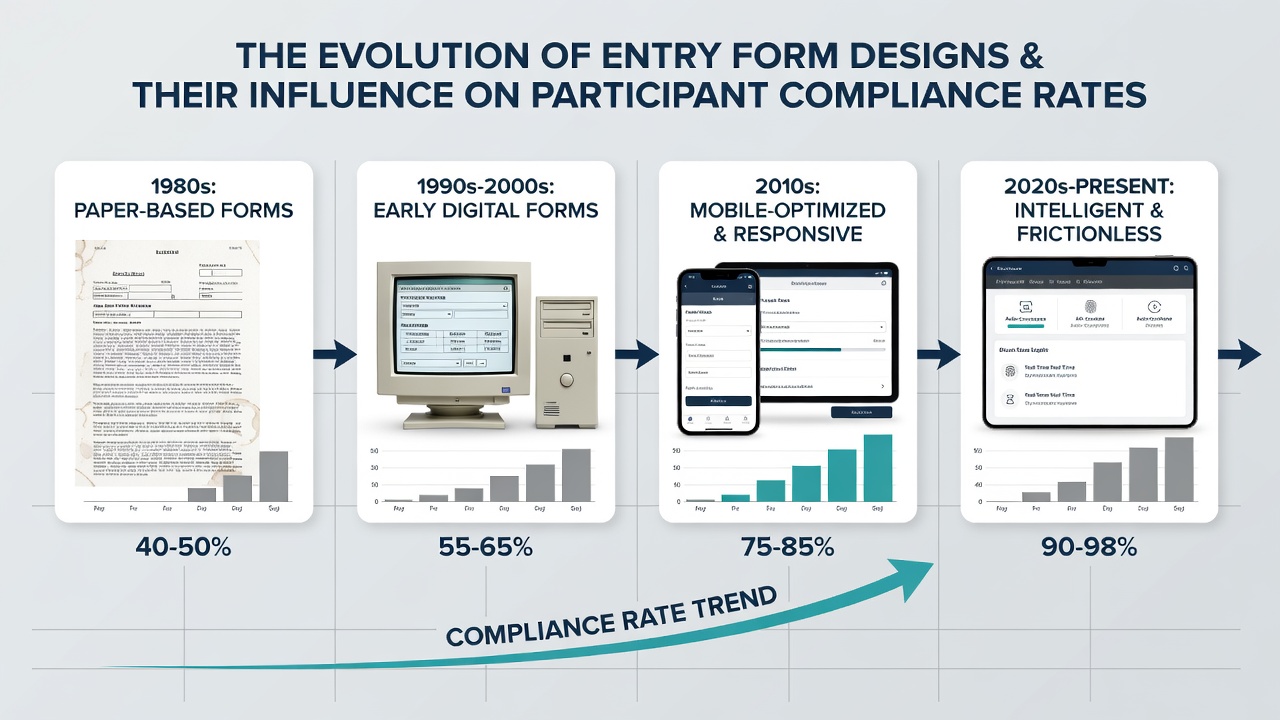
Additional layers such as social media login options or optional demographic questions appear after core data collection in many current designs, and A/B testing conducted by research firms demonstrates that deferring these items preserves completion momentum. In October 2026 several major consumer brands updated their promotion portals to include progressive disclosure techniques, revealing extra questions only after initial submission, a change that preliminary figures suggest sustains higher adherence through the full workflow.
Regulatory Influences on Form Content
Government agencies across regions have shaped required disclosures, with the U.S. Federal Trade Commission providing guidelines on clear prize descriptions and eligibility rules that must appear within or alongside entry interfaces. Canadian provincial regulators similarly mandate specific language regarding odds and prize values, prompting designers to embed these statements in expandable sections rather than lengthy blocks that interrupt flow.
European data protection standards require explicit consent checkboxes for personal information handling, and compliance tracking from campaigns subject to these rules shows that prominent yet concise consent language positioned near submission buttons maintains participation levels better than separate lengthy privacy pages. Academic analyses from marketing departments at several universities have quantified how placement and wording of these mandatory elements affect the percentage of users who reach the final confirmation screen.
Case Examples from Recent Campaigns
One national retailer revised its annual promotion entry form in 2024 by reducing required fields from twelve to seven and adding inline error messages, resulting in a documented 28 percent increase in completed submissions according to internal metrics shared with industry groups. Another campaign run by a beverage company integrated geolocation tools to auto-populate address fields, cutting average completion time by nearly half and lifting overall adherence without changing prize structures.
Observers tracking multiple promotions note that forms allowing partial saves for later return see elevated final compliance, particularly among users accessing via smartphones during brief windows of availability. These patterns hold across different prize categories, suggesting the design mechanics themselves drive the observed differences rather than external appeal factors.
Conclusion
Entry form designs continue to evolve through iterative testing and regulatory adjustments, with available data consistently linking reduced friction points to higher participant compliance across both historical and current examples. Continued monitoring by research organizations will likely refine understanding of which specific interface elements produce the most reliable adherence outcomes in the coming years.